




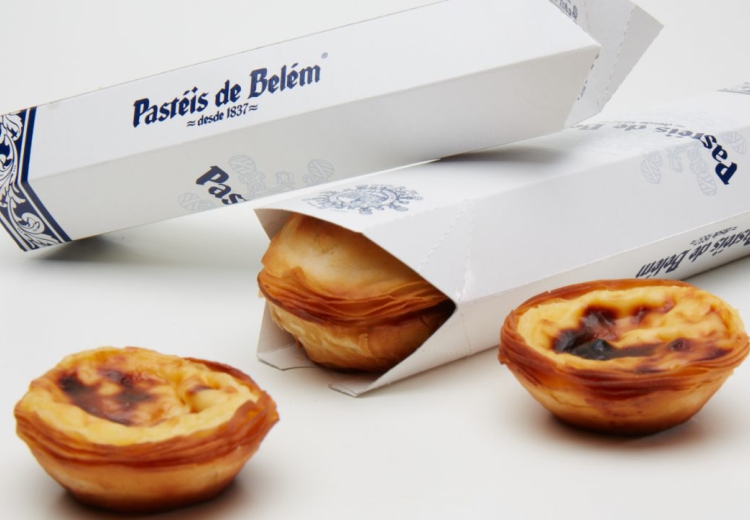
• Pastéis de nata, the small tarts filled with egg cream, vanilla and cinnamon, are among the most famous and tasty Portuguese cakes. Pastéis de Belém patisserie in the neighborhood Bethlehem from Lisbon is known for serving this dessert since 1837.
Pastéis de Belém, meaning the famous Portuguese pastéis cakes served in the patisserie in Lisbon's Belém district, are unique because this dessert was first offered here in 1837, following a secret recipe inherited from the monks of the nearby Dos Jeronimos Monastery.
Now, after more than 200 years, in front of the patisserie Antiqua Confeitaria de Belem, from the capital of Portugal, there is a queue every day because tourists from all over the world want to indulge in the delicious mini-tarts.
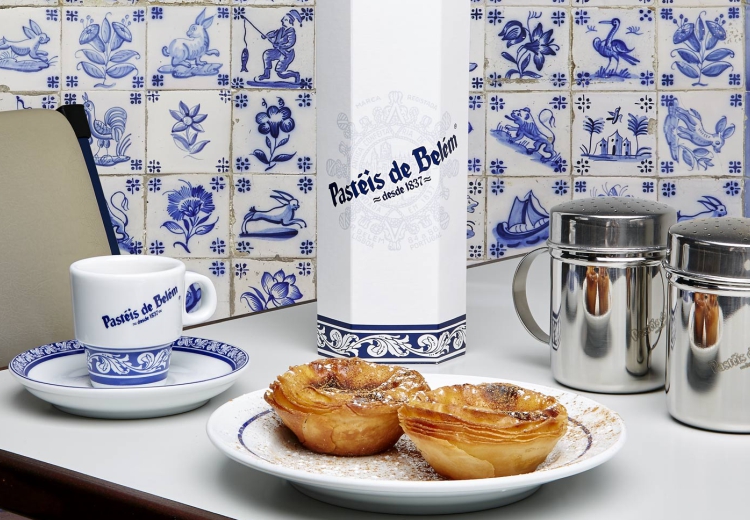
Pastels de nata, a Portuguese brand
It would seem that the original recipe for Pastéis de Nata is known only to the pastry shop Antiqua Confeitaria de Belem. However, reinterpretations or cakes with a sometimes slightly different taste, can be found in most patisseries and bakeries in Portugal.
It's all about these little tarts, crispy on the outside and creamy on the inside, to be eaten warm and the egg custard to be well browned. In recent years, the adapted recipe of the traditional Portuguese dessert has been taken over in many pastry shops in Europe.

The legend of the delicious Pastéis de nata
Legend has it that the first pastéis were created behind the walls of the Jeronimos Monastery, long before 1800. In those days, egg white was used to decorate the linen and white garments of the monks' vestments.
Because so many yolks were collected, the monastery's cooks thought of giving them a special use. This is how the mini puff pastry tarts filled with egg cream and vanilla, dusted with cinnamon and powdered sugar were born in the kitchen of the Jeronimos Monastery. Although the cookies began to be tasted and appreciated outside the monastery, it is said that the recipe remained closely guarded by the monks. That is, until 1820 when, during the Liberal Revolution in Portugal, all the monasteries were closed and evacuated.

How Pastéis de Belém was saved
In the vicinity of the Jeronimos Monastery in Belem there was then a small factory for refining sugar which also had a shop. The monks expelled from the monastery found their salvation there and the little vanilla egg custard tarts. Thus, Pastéis de nata began to sell better in the sugar refinery shop.
From 1837, the patisserie that became famous for its Pastéis de Belém, tarts made according to the monks' secret recipe, was officially born. The legend also says that now only three or four pastry chefs know the original recipe, who are so careful in keeping the secret that they never all travel in the same car.

See other famous confectioneries: Stohrer, the oldest pastry shop in Paris

