




• When you step into the fascinating universe of baking, one of the first questions that comes to mind is: what magic ingredient can I add to the dough to get the perfect bread, with a golden crust and an airy texture?
The answer is not unique, as there are numerous methods to improve the quality of the dough. However, one ingredient that stands out is malt.
Malta is, in short, a natural fermentation enhancer, used for centuries in baking to optimize the leavening process and to give bread an intense flavor and appetizing color. Basically, malt is obtained from cereal grains, most commonly from barley, which are subjected to a process of maceration and controlled germination.
The process begins with the barley grains being soaked in water in special containers, where they absorb moisture, which activates the germination process. The grains are then transferred to temperature and humidity controlled rooms dedicated to germination, where they remain for 7-8 days until they begin to sprout. At this stage, to stop germination, the fine roots are separated and the grains are dried until the moisture level drops to the optimum level of around 8%.
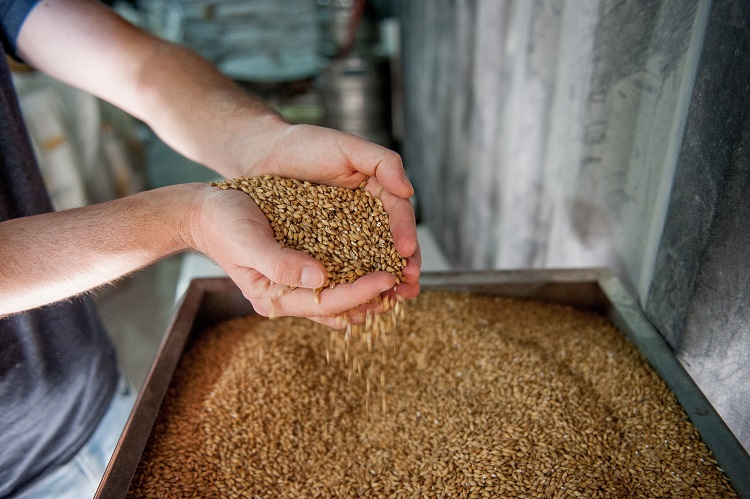
During germination, an essential chemical process takes place: starch saccharificationThe enzymes alpha and beta amylase break down the starch in grains into simpler molecules such as maltose and dextrin. These simple sugars become food for the yeast, stimulating fermentation and contributing to a uniform rise. After drying, the grains are ground, resulting in either a fine powder, malt powder, the variant most often used in baking, due to its ease of use, either a liquid or pasty extract, liquid malt, ready for use.
The most popular type is barley malt, but there are also variants made from other cereals, the so-called malted cereals, which are obtained from rye or wheat and have specific characteristics, but the operating principle remains the same as barley malt.
Types of malt available for sale and their properties
Not all types of malt are the same, and the differences between them are reflected in enzymatic capacity, also known as diastatic powerThis measures the amount of maltose produced by 1000 g of flour in 30 minutes and is expressed in Pollak unitsDiastatic strength depends on the type of malt and the manufacturing process, and choosing the right one is essential for optimal results.
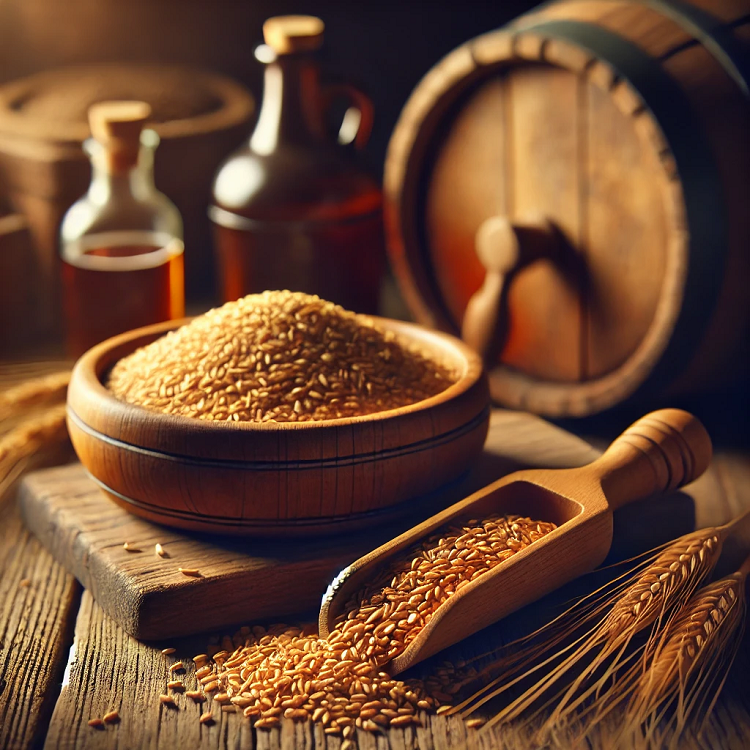
Here are the main types of malt available:
- Malt flour: Obtained by directly grinding germinated barley grains, it has a moderate diastatic power (approximately 13.000 Pollak units) and low sugar content. It is ideal for traditional bread.
- Malt extract in syrup: Characterized by a high diastatic power (16.000 Pollak units) and a high sugar content (up to 85%), it is perfect for doughs that require rapid fermentation.
- Malt extract powder: Obtained by drying malt syrup, it retains a large amount of sugars (80-90%), but has a low diastatic capacity (8.000 Pollak units). It is used mainly for taste and color.
- Malt concentrate in syrup (or paste): Has the largest diastatic power (24.000 Pollak units) and a high sugar content, making it ideal for complex doughs or breads with a rich texture.
In addition to these types, there are also non-diastatic malt, obtained by heat treating malt extract, which loses much of its enzymatic activity. It is used to add color and flavor, especially in rye bread, due to its intense hue and robust taste. However, its use in white bread is limited, as it can excessively darken the crust.
Malt in baking
Malt is not just an ingredient, but a reliable ally for the baker. Here's why it's so appreciated:
- Improves fermentation: Unlike sugar, which can speed up fermentation but does not provide a constant release of nutrients for the yeast, malt provides a stable fermentation activity, which leads to a better developed and tastier bread.
- Provides color and flavor: Sugars not consumed by the yeast caramelize during baking, giving the bread a golden crust and an intense flavor, thanks to the Maillard reaction.
- Enriches texture: Malt helps to achieve a more airy structure and a crispy crust.
- It is natural: Unlike other artificial improvers, malt is a 100% natural product, obtained from cereals.
How do we use malt?
Using malt in baking requires a little attention, but the results are worth the effort. The amount of malt varies depending on the type used and the characteristics of the flour:
- Liquid or paste malt: 0,5-1% of the flour weight.
- Malt flour: 3-5% of the flour weight.
Malt is ideal for doughs with short or medium fermentation times (3-5 hours). For long fermentations (24-48 hours, in the refrigerator), it is better to avoid malt, as the slow fermentation process does not require an additional stimulant.
For a bread with excellent leavening and a rich crust, choose malt concentrate in syrup or malt extract in paste, due to its high diastatic power. For an intense taste and a more pronounced color, non-diastatic malt is a good choice.
Practical advice: If you're using malt syrup or paste, warm the spoon slightly before removing it from the jar. This will make it easier to measure and incorporate into the dough.
Another important aspect is the compatibility of the malt with the type of flour. Flours with a fall index (Hagberg index) Flours with a falling index greater than 350 have low amylase activity and benefit most from the addition of malt, especially in the case of long-fermented doughs or strong flours. Conversely, for flours with a falling index below 220, malt is not recommended, as the enzymatic activity is already sufficient.
Why choose malt?
Malt is more than just an ingredient – it is a bridge between tradition and innovation, between science and art. Whether you are an amateur or professional baker, malt gives you the opportunity to create baked goods with a perfect texture, a crispy crust and a taste that conquers the taste buds.
So, the next time you're making a dough, let yourself be inspired by the power of malt. Experiment with different types and amounts, play with flavors and colors, and discover the joy of creating a bread that truly tells your story.
Article sources: Malt: properties and characteristics; What is Malt? How is it Made? Types of Malt; Starch processing enzymes.
Article written by Gabriela Dan, Editor-in-Chief Arta Albă
Read on White Art and: The transformation of the Romanian bakery market: from tradition to innovation


Hello,
What type of malt do you recommend for homemade bread and where can I purchase it?
thank you!