




• Added flavor and value
If in the past bread was a simple, subsistence food, prepared only from flour and water, today's bread has acquired new values, often having the power to surprise. This is how we can currently enjoy unique products, in terms of appearance, color or taste, thanks to the innovative ingredients with which bakers enrich classic recipes.
"reinventing” of bakery products is also a trend in Romania, especially among artisan producers. Some of them already use additions of seeds, spices, dehydrated vegetables or fruits, natural dyes, etc., thus meeting customers who want to consume a "otherwiseof bread. In addition to satisfying the wishes of consumers, manufacturers can thus also expand the range of products they sell.
The possibilities of diversifying bread are unlimited, but it is up to the producers whether or not they will try to break out of the patterns.
Charcoal bread
Charcoal bread is a novelty in Romanian gastronomy, although at the international level it has been trending for several years. The color is the first thing that catches the eye, as it is atypical for a bread to be black-black. The contrast with the other foods, but also with the plate, transforms any banal sandwich or any other dish into a show of colors.
In addition to the unique appearance, bakery products with the addition of vegetable charcoal are recognized for the digestive benefits they bring to the human body. Charcoal is a 100% natural product and is obtained through a process of burning wood at high temperatures.
In 2012, the European Food Safety Authority introduced charcoal to the list of accepted ingredients as a non-hazardous coloring additive, as a result it is used in gastronomy all over the world.
The test bakers prepared bread with charcoal at the Indagra Food Exhibition 2019.

Bread with 10 types of flour and 10 types of seeds
The Bread of the Year 2019, designated in the contests organized at GastroPan, was the bread with 10 types of flour and 10 types of seeds. The product with special nutritional properties, handcrafted by the GNF Bakery Products company from Constanța, contains a mixture of flours and 10 types of seeds: flax, pumpkin, poppy, sesame, cumin, quinoa, hemp, sunflower, chia and psyllium.
Such a complex product is an extremely beneficial source of nutrients for the body.

Bread with cricket powder
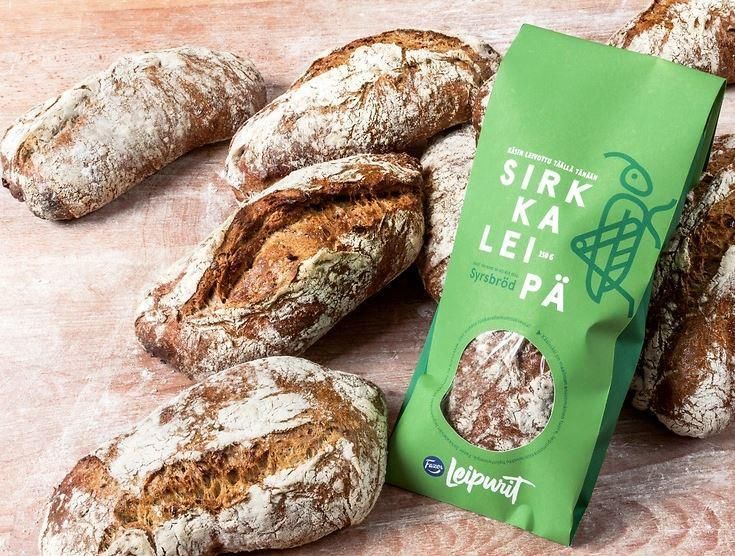
Addition of insects to bakery products it may seem crazy, but for the Finns it is just another way to innovate in this field. Already in November 2017, the Fazer company launched, for the first time in the world, bread with cricket powder. The product contains about 70 crickets, ground and added to the dough, so that the insects cannot be seen or felt.
At the international level, there is a tendency to use insects in the food field, due to the fact that they are nutritious (70% of a cricket is protein, vitamins, iron and calcium) and their breeding involves less effort than the breeding of other animals (costs low, small land area, low pollution).
In Europe there is reluctance about this aspect, but nothing is impossible, as proof of this is the fact that bread with cricket powder is already sold in supermarkets in Finland. In 2017, Finland became the sixth country to approve the use of insects as a food source. The other five countries are the UK, the Netherlands, Belgium, Austria and Denmark.
Bread with turmeric and black pepper
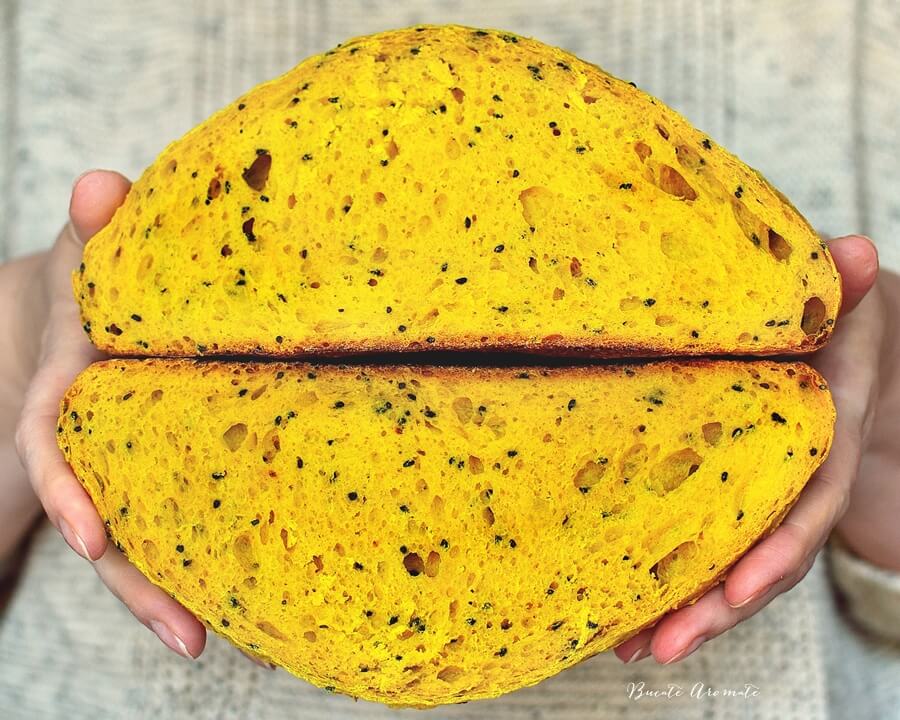
With an appearance that, at first glance, makes you think of polenta, turmeric bread is another trend in the field of baking. The intensity of the color is given by the amount of turmeric used, and black pepper gives the bread an aromatic taste, similar to that of thyme.
Adding the two spices to a classic mayo bread recipe turns the final product into a premium one.
Bread with nettle seed flour
Invented in our country and unique in the world, bread with nettle seed flour is the creation of a student from Cluj. The product is already registered at the State Office for Inventions and Trademarks (OSIM). The recipe is simple, like for a bread "normal”, to which a percentage of 3,6% or 9% nettle seed flour is added.
Nettle has a high nutritional value and many beneficial properties for the human body, but it is not exploited to the maximum.
This type of bread is already produced and marketed by a bakery in Câmpia Turzii.
Fish protein bread
Three professors from the Faculty of Food Science and Engineering in Galati invented "nutritionally balanced bread with fish myofibrillar protein extract". According to specialists, the consumption of this product ensures the daily protein requirement, being recommended for anyone, except for those with gluten intolerance.
Fish protein bread differs from traditional bread only from a nutritional point of view, the taste, smell, elasticity and porosity being identical.
The product received the gold medal at an international exhibition in the field of creativity and innovation, Infoinvent 2019. Bread with fish protein will be patented and put on the market shortly, with a slightly higher price than a classic bread.
Pea protein bread
Pea protein can be successfully used in gluten-free bakery products, being a healthy alternative for customers who have to follow this type of diet. Marketed as isolate, concentrate or flour, pea protein brings numerous advantages to bakery products: it replaces allergens (wheat, dairy and eggs), increases nutrient content and retains water, which means it removes moisture from the food composition.
For consumers, the main benefit of the protein is that it does not contain allergens and the assimilation rate is almost 100%.

Did you know that…
Can stale bread produce electricity?
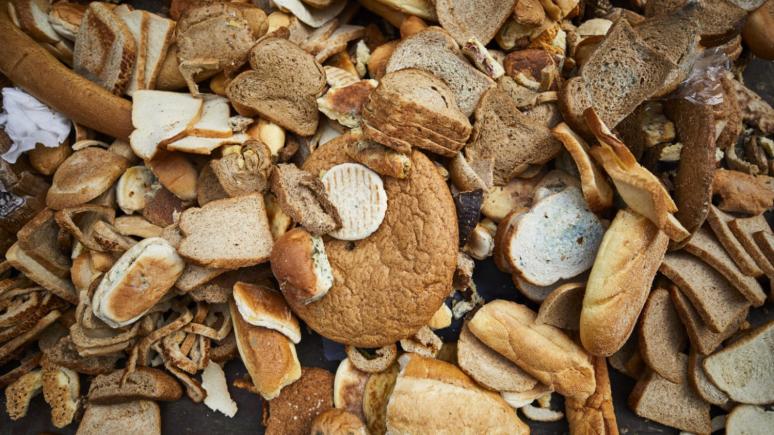
Food waste is a current phenomenon, faced by most countries of the world. In the Netherlands, for example, each resident throws away 41 kilograms of food per year, of which 22% is bread and pastries.
To reduce food waste, specialists and authorities have found an alternative use for stale bread: the production of electricity. In Rotterdam, 130 containers were installed for the collection of old bread, and in the course of three years 125.000 kilograms of bread were collected.
The amount is enough to supply 50 apartments with biogas for a year, or to produce electricity to keep 2.000 light bulbs on for a year.
The same action to collect stale bread was also carried out in Amsterdam, and in the future the specialists want to launch projects dedicated to shops and restaurants.
Nicoleta Banu, editor White Art


