




• Food allergies are on the rise globally and the cost of living crisis is putting significant pressure on those suffering from life-threatening allergies.
The international economic situation has also brought to the attention of analysts the special category of consumers who face one or another form of food allergy. It is well known that the number of people diagnosed with food allergies is increasing worldwide, and amid the cost of living crisis this is a major problem.

Living with a potentially fatal food allergy often means relying on alternative, allergen-free products. But with rising food costs, these products have seen significant price hikes, which consumers who depend on them have noticed.
Allergen-free alternatives are often more expensive than their conventional counterparts. According to a study conducted by Allergy UK, the cost of living crisis has caused the prices of these foods to double. The UK study of a group of nine foods showed that allergen-free alternatives cost up to 138% more than their equivalents.
Allergen-free products more expensive
A previous study, carried out by the British agency Food Standards Agency, showed that people with allergies have a financial burden 12% – 27% higher than those without allergies. And in addition to the pressure of the high cost of living, this segment of the population also has the anxiety of accessing emergency medical services if they eat the wrong foods.
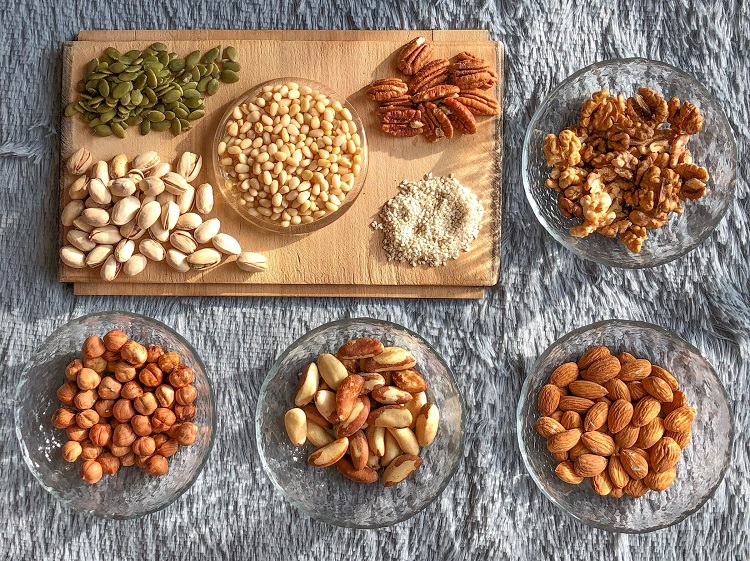
The big 8 food allergens are milk, eggs, fish, shellfish, tree nuts, peanuts, wheat and soy. But, in addition to an increase in the number of allergies in the last decade, other allergens have been added to the list, such as sesame, celery, strawberries. Of major concern recently is the fact that, in some people, the bite of the Lone Star species tick has been linked to the development of the syndrome Alpha-gal (AGS), which causes potentially fatal allergic reactions to the consumption of red meat, to some animal products such as milk, milk derivatives and gelatin, as well as to some pharmaceutical products.

The number of those diagnosed with allergies is increasing worldwide, many of which are fatal if medical intervention is not prompt. And while there are a wide range of theories, no one knows for sure what causes this increase.
According to experts, it's a combination of factors, including: changes in our eating habits (less fiber, more fat and sugar) that have altered our gut microbiome; overuse of antibiotics, which has also changed our microbiome.

Several factors are responsible for the increase in the number of allergies
Less exposure to bacteria and viruses than in the past doesn't help either "friendly", closely related to the overuse of concentrated detergents and antimicrobial products, coupled with greater exposure to pollutants and chemicals that our immune systems should not have had to contend with. And, last but not least, the current sedentary lifestyle, with less going out into nature to benefit from the influence of natural sunlight, leads to vitamin D deficiencies.
In the scientific world the theory regarding microbiome and the barrier hypothesis it provides is the most influential. This theory starts from the premise that immune cells in the skin, intestines, respiratory tract do not receive the right mix of friendly bacteria, viruses, fungi and therefore are not "trained" enough, this fact leading to imbalances such as allergies.

Solutions for allergen-free products
Large producers in the food sector recognize this phenomenon and see it both as an opportunity to diversify their product range, introducing allergen-free varieties into their portfolio, and as a necessity to adapt to market requirements. But this also involves appropriate costs, which will also be reflected in the price of the products.
For manufacturers to reduce the exposure of consumers to products not adapted to their condition, which could cause unexpected allergic reactions, there is at least one obvious solution: to make products for people with food allergies in separate facilities, to ensure that they do not there is cross contamination.
In fact, some allergen-free food companies go even further by integrating testing labs at the production site. By punctually checking product samples from batches for allergens, consumer safety is thus guaranteed.

Article written by Gabriela Dan, Editor of Arta Albă
Read on White Art and: Buckwheat - nature's gift for health

