




• The Foundation for Food and Agriculture Research (FFAR) awards an $835.888 grant to Washington State University (WSU) to develop a faster, cheaper and more accurate alpha-amylase test.
The goal is to obtain one technological solutions to be used on farms and in silos without the expensive tools and specialized staff required today. The conventional assay method for determining alpha-amylase activity is based on the fall number or Hagberg fall index and involves immersing a solution of wheat flour and distilled water in a water bath near the boiling point, mixing this solution for 1 minute to facilitate starch gelation and measure the time required for a predetermined weight to pass through this gel. The higher the amylase activity will be, the faster the weight will cross the gel, the drop figure thus having a lower value.
High levels of alpha-amylase protein in wheat can result in a low falling number score, a factor that determines wheat quality and price. Because alpha-amylase digests starch, wheat with a low falling number score produces flour with a lower gelling capacity, resulting in lower quality baked goods, causing a significant decrease in the price farmers receive.
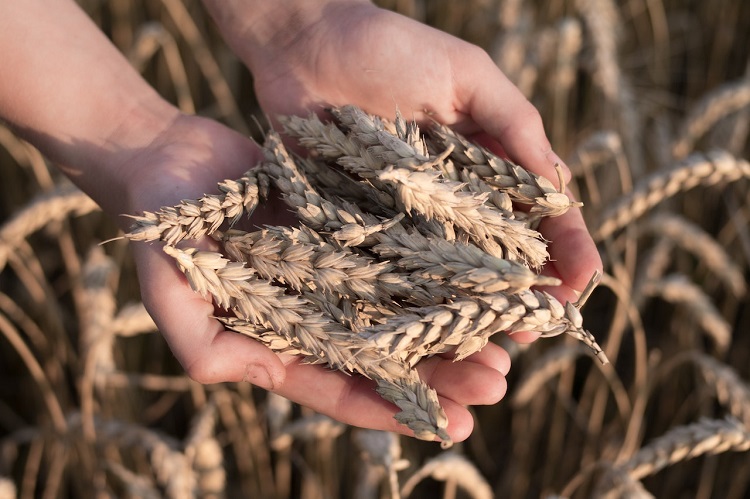
The current test of the number of falls it was developed almost 70 years ago and requires large, specialized equipment, laboratory conditions and experienced operators. Due to expense and logistics, most grain warehouses do not have a drop count testing system on hand, he said. FACT. If growers cannot detect wheat with a low falling index, it can mix with healthy wheat on farms, in grain silos or during transport, essentially compromising the entire lot and resulting in millions of dollars in losses.
A quick test would save important resources
"Every year, farmers hold their breath waiting to find out if their wheat crop passes the test," stated Dr. Angela Records, Scientific Director of FFAR. "By enabling early detection of low numbers of falls, this research saves quality wheat from becoming animal feed and saves farmers millions of dollars."
In addition to developing new rapid tests, the grant includes two other components to help growers manage alpha-amylase. The first is to develop an early warning system for farmers about weather patterns that could cause increases in alpha-amylase. The second is to conduct research to better understand the genetic regulation of alpha-amylase. This will give researchers the right tools to select wheat varieties that are less susceptible to the drop figure.
Research to develop a new rapid on-site test also received co-funding or in-kind support from EnviroLogix, HighLine Grain Growers, The McGregor Company, Washington Grain Commission, Wheat Marketing Center and WSU, for a total investment of $2 million USD.
The Foundation for Food & Agriculture Research (FFAR) builds partnerships between the public and private sectors to fund bold research that addresses major challenges in food and agriculture. FFAR was established in 2014 to increase public investment in agricultural research to fill knowledge gaps and complement the research agenda of the US Department of Agriculture.
Article written by Gabriela Dan, Editor of Arta Albă
Read on White Art and: Flour mixes – ingredients for better nutrition

