




• Without feelings of guilt, products in vibrant colors and with adaptogenic ingredients - these are the emerging trends for the year 2024 in terms of snacks.
Health and well-being remain the focus of specialists in the snack market, and guilt-free indulgence, plant-based options, traditional flavors and adaptogenic ingredients are the directions that will set the tone in the coming year.
In the context of measures being taken against products considered high in fat, sugar and salt (HFSS), manufacturing companies are forced to step up their efforts to comply with the legislation HFS extension, and to be with the growing number of consumers who adopt a healthier lifestyle. In fact, in June of the current year, an analysis of Kantar Group reported that the healthy snacks and chips segment grew by 18%.

But there is some concern about some ingredients and products that will never be able to be reformulated to be classified as non-HFSS, experts say. However, indulgence is still important to consumers, opening the way to new and intense flavours, textures and interesting ingredients, he revealed Mintel in its annual report APAC Food and Drink Landscape.
And soft drink brands should implement comforting and traditional flavors into their formulas, while the fact that Gen Z tends to favor late-night snacking opens up opportunities for manufacturers to create products tailored to this trend, Mintel's analysis shows.
Nearly three in five U.S. consumers say they snack to relax, while two in five eat to relieve stress. Given that salty snacks such as chips and nuts are preferred, manufacturers could explore adding adaptogenic ingredients to them to help consumers manage stress and relax.

Potato chips remain at the top of the category
According to the British Association SNACK, recent market data confirms that potato chips remain the favorite product in the snacking category. The appeal of potato chips remains even as salty snacks – a much broader term that covers various types of products, including tortilla chips, baked snacks, extrudates and pellets – have grown in popularity in recent years.
But analyst data shows that while turnover has increased, volumes have remained relatively flat as this snack category has been one of the hardest hit by the supply chain crisis of the past two years.
2023 was a difficult year, particularly for potatoes, as the weather at the start of the year caused planting to be delayed, leading to some shortage on the market. If in Great Britain the wet weather has an impact on the harvest of potatoes from the fields but also on the quality of those going into storage for next year, the rest of Europe is facing the opposite problem. With a very hot summer, global harvested volumes are expected to drop slightly, which could raise prices of the favorite snack.
Vegetable Bites – healthy snack
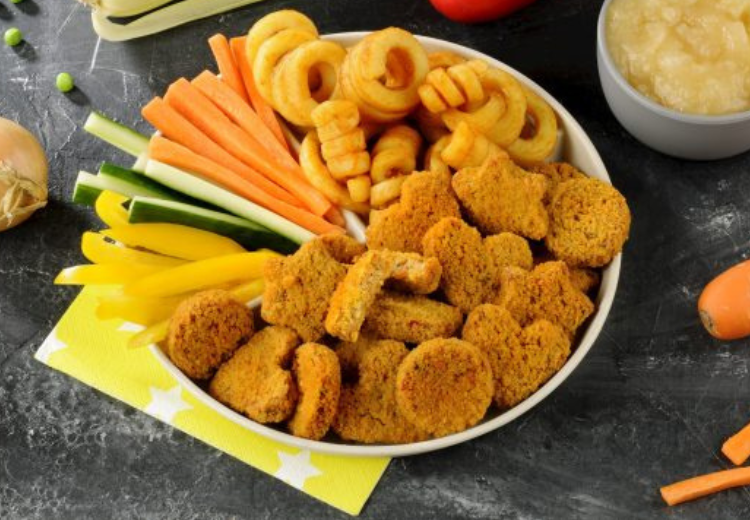
Consumers are becoming more health conscious and want natural, healthier products with simple, plant-based ingredient lists. Following this trend, the Dutch company Schouten Europe launched its plant-based snack in early October, designed to appeal to corporations in the food, retail and out of home worldwide.
Vegetable Bites contains 46% vegetables, including corn, carrot, garden peas, onion and red bell pepper. With the Dutch Nutrition Center recommending that consumers eat at least 250g of vegetables per day, Schouten hopes it will appeal to consumers looking for nutritious and health-focused snacks.
The manufacturer of Vegetable Bites hopes that as the product's vegetable intake will be higher, it can promote healthier eating habits and help improve overall well-being among consumers.

Attracting consumers through color
The use of color is evolving rapidly in the snacking sector. If until recently, natural and healthy snacks tended to feature dull, earthy and neutral colors or were even colorless, now there is much more emphasis on using colors that attract attention and help highlight features healthy products.

Many brands now promote iconic ingredients such as vegetables, superfruits, ancient grains, herbs and spices. Brands that produce ube crackers, spirulina snacks or vegetable chips use vibrant colors as a visual signal to indicate that the product is both tasty and healthy.


To help manufacturers really grab the attention of consumers, GNT Group launched its plant-based food colors on the niche market Exberry Coloring Foods. Under the motto "Coloring Food With Food" and over 40 years of experience in the field, the company, using a delicate manufacturing process, transforms fruits, vegetables and herbs into colors with strong hues from across the spectrum, while allowing for a clean and clear ingredient list. They can also be used for less healthy snacks, with simple ingredient lists helping to reduce consumers' guilt.
Article written by Gabriela Dan, Editor of Arta Albă
Read on White Art and: Algae - food ingredient of the future?

