




• The results of the first ever field study in Europe with a genetically edited (GE) wheat variety showed a significant reduction of up to 45% in the potential carcinogen acrylamide when the flour is baked.
Conducted at Rothamsted Research in Hertfordshire, Great Britain – a pioneer in genetically modified crop trials since the 1990s – these experiments represented the first field trials of genetically edited wheat on the European continent.
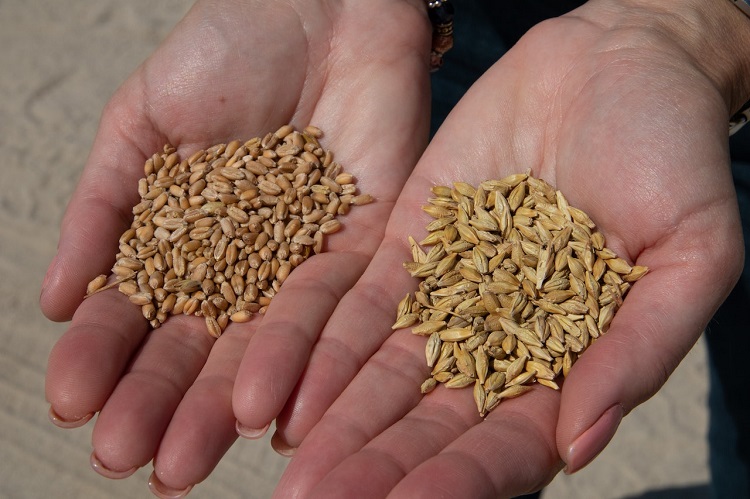
Researchers at Rothamsted Research used a gene-editing technology called CRISPR to "knock out" a gene in wheat that they hoped would reduce the formation of asparagine. When cooked, this amino acid is converted to acrylamide—a potential carcinogen that food processors want to control, or ideally eliminate altogether.
The levels of asparagine (precursor of acrylamide) in the genetically edited wheat were up to 50% lower than in the control variety Cadenza. Once ground into flour and cooked, the amounts of acrylamide formed were also significantly reduced by up to 45%.
The study from the laboratory reaches the experimental fields
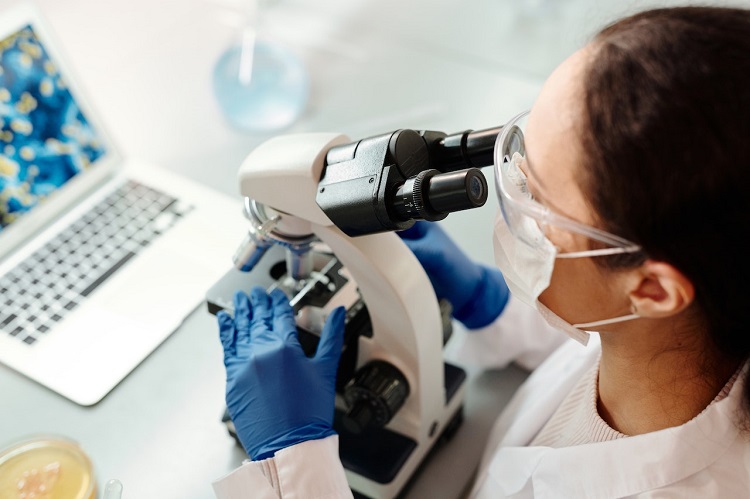
The field study was an important step in determining whether the new GE wheat would be viable. Laboratory tests proved successful, but only by planting in experimental fields could the research team be sure that the new variety could be useful to farmers.
Professor Nigel Halford, who led the research, said: "The study showed that gene editing to reduce the concentration of asparagine in wheat grains works just as well in the field as it does in the lab.
This is important because the availability of low-acrylamide wheat could allow food processors to comply with acrylamide in food regulations without costly changes to production lines or reductions in product quality. It could also have a significant impact on the amount of acrylamide ingested by consumers.”

The European regulatory framework for GE
Professor Halford was optimistic about the potential impact gene editing could have in supporting the food sector by making healthier products, but warned that an uncertain regulatory environment could limit the technology's development.
"Genetically edited plants will only be developed for commercial use if there is an adequate regulatory framework and if producers are confident that they will get a return on their investment in genetically edited varieties", he warned.
The results of the study are timely as the Gene Technology Bill, which provides for the approval and marketing of genetically edited crops, is in the final stages of passage through the British Parliament. Some scientists suggest that CRISPR is an exciting development for the food industry, which will become increasingly important to keep pace with the changing environment, but regulations have limited the technology's use in agriculture.
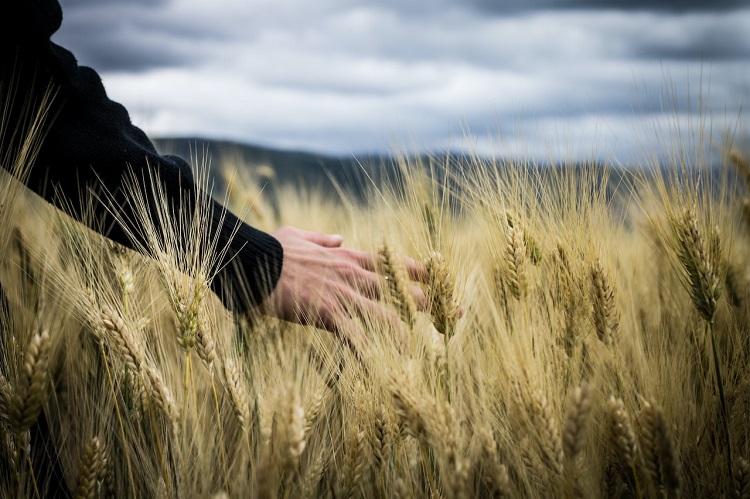
Both gene editing and genetic modification are banned by the EU, although Brussels is reviewing its stance on CRISPR crops.
CRISPR technology
CRISPR it can be used as an advanced plant breeding tool, a tool that facilitates the reproduction of crops by making cuts in specific places in a plant's genome. Subsequent repair of the cut by the cell's endogenous repair mechanism can introduce precise changes. Unlike GMOs (Genetically Modified Organism), no new genetic material is added.
The UK Department for Environment, Food and Rural Affairs believes that gene editing techniques such as CRISPR have the potential to produce sufficient and healthy food and reduce the environmental impact of a growing global population.

It also believes that gene editing techniques, when used to obtain crops that could have been developed by traditional methods, should not be regulated as genetically modified crops.
It also points out that, despite the differences between CRISPR genome editing and GMOs, genetically edited plants are currently treated in the same way as OMG in EU regulations, effectively blocking the use of a technology that is undergoing formal approval in many other parts of the world.
Article written by Gabriela Dan, Editor of Arta Albă
Read on White Art and: Sumac flour gives new qualities to bread

 au arătat o reducere cu până la 45% a acrilamidei.)