




Picture: AFP, Gulf News
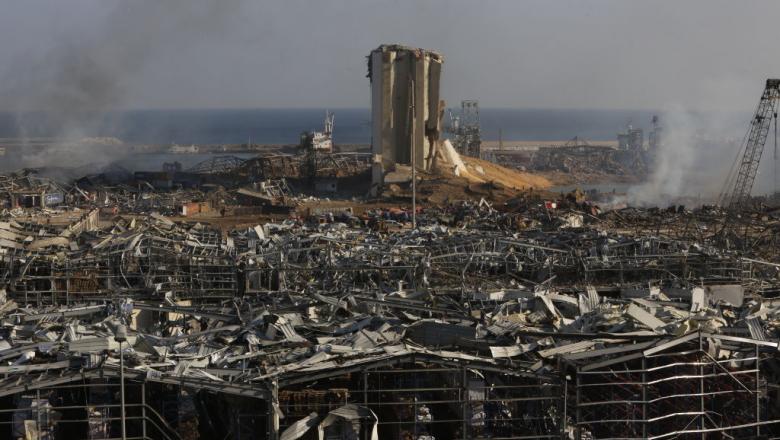
A devastating explosion took place at a warehouse in the port of Beirut on August 4, 2020. The event caused numerous casualties, as well as the destruction of Lebanon's main wheat silo. At the time of the explosion, 120.000 tons of wheat were stored in the 15.000-ton silo in Beirut. Currently, the country only has grain reserves for one month.
The reason for the explosion was the unsafe storage of 2.750 tons of ammonium nitrate. The cargo of flammable materials had been in that place for six years, but no one had taken it upon themselves to secure and protect the area. "It is unacceptable that a cargo of ammonium nitrate, estimated at 2.750 tons, has been present for six years in a warehouse without precautions", the prime minister declared in front of the Supreme Defense Council gathered in an emergency meeting.
15.000 tons of wheat were destroyed by the explosion

The Minister of Economy, Raoul Nehme, stated that several ships with supplies are already on their way and that they are currently looking for other storage spaces. It is possible that the grains are stored in warehouses located 2 km from the port of Tripoli, Lebanon's second largest city. The country needs stocks that will last for at least three months to ensure its food security.
The day after the explosion (August 5, 2020), Iraq announced that it was providing Lebanon with a quantity of wheat to cover part of the shortfall.
In addition to wheat losses, the explosion in Lebanon left more than 200.000 people homeless. The country is in national mourning for 3 days after 4.000 people were injured and at least 100 died.


Ich lese Ihren Artikel mit Interesse, danke. Malissa Thatch Clover
Thank you! Wir freuen uns, dass es Ihnen gefallen hat!
Thank you! We are glad that you enjoyed it!