




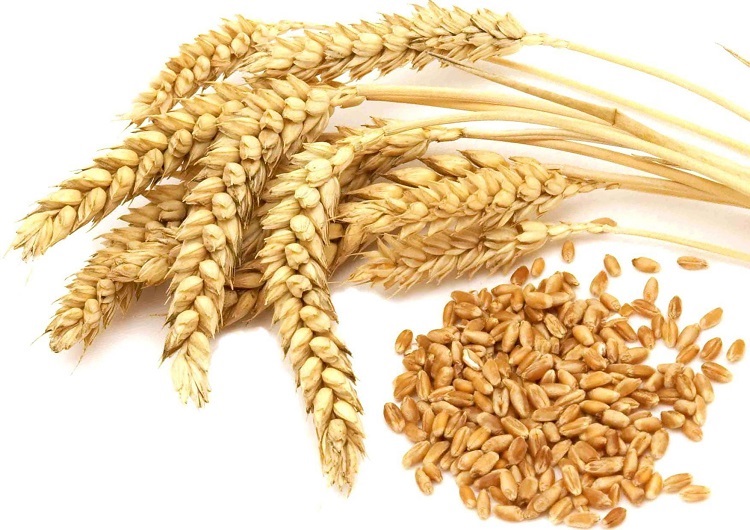
• Data transmitted by the agriland.ie website, cited by Agerpres, shows that the European Union will soon become the largest producer of wheat in the world.
At the same time, in Europe and worldwide, the area cultivated with cereals would decrease. Demand for grains is forecast to decrease globally in the next decade compared to the previous one, due to reduced demand for feed, biofuels and other industrial uses. The aging of the population and a change in consumer preferences will cause the demand for cereals to decrease for Western Europe in the coming period as well.
These data are presented in the latest report on the outlook for agriculture in the period 2023-2032 published by the Food and Agriculture Organization of the United Nations (DO IT) and the Organization for Economic Cooperation and Development (OECD).
Given that any increase in production is regulated by environmental sustainability policies, a decrease in the area cultivated with cereals is predicted for Western Europe, and not only that. The same phenomenon is expected to extend to the surfaces used for fruits, vegetables and other crops.
On the other hand, the EU would become the largest wheat producer in the world by 2032, surpassing China, where, following population decline, the cultivated area will be reduced.
Limited increase in trade in the Black Sea region
Although exports would be below the record volumes of 2019 and 2022, European Union, the world's second wheat exporter, will be responsible for 17% of global trade in 2032. The report shows that the EU will maintain its market share even if growth in the Black Sea region will be limited.
By 2032, the share of exports of the five main corn exporters (USA, Brazil, Argentina, Ukraine and Russia) will represent 88% of the total trade.
A percentage of 78% of global trade by 2032 will be covered by the five main exporters of coarse grains – the EU, Australia, Russia, Canada and Argentina.
For the year 2023, a percentage of 41% of the total grain produced globally will be consumed by humans, 37% will be used to feed animals, and the remaining 22% will be destined for biofuels and other uses.
Article written by Gabriela Dan, Editor of Arta Albă
Read on White Art and: Eurostat study - the price of oils and fats in the EU


