




• Extending the shelf life of fresh pasta has been the subject of research for a group of Italian scientists.
Following research, Italian scientists have discovered a method that can extend the shelf life of fresh pasta by 30 days by modifying the packaging, adding bioprotections and using probiotics with an antimicrobial effect.
A staple in Italian cuisine, pasta has long gone beyond the borders of its country of origin, its popularity growing worldwide. sale of pasta at the European level rose, in 2022, to 19,14 billion dollars and analysts estimate an annual growth rate of 9,28% for the next period as well. Against the background of these increases and also taking into account the global trend of reducing food waste, Italian researchers publish in the journal "Frontiers in Microbiology" their new recipe for fresh pasta with a longer shelf life.

Fresh pasta is obtained through industrial processes that involve heat treatment of the product. They are then stored, typically in modified atmosphere packaging, or "modified atmosphere packaging" (MAP), which means that oxygen is removed and replaced with other gases.
Reduced shelf life
When stored properly, fresh pasta has a shelf life of 30 to 90 days, but this shelf life is shortened if the quality of the pasta is compromised. The quality of fresh pasta can be affected when bacteria survive the heat treatment, being able to proliferate in a moist environment. Although there are chemical preservatives on the market that can be used to keep pasta fresh, consumers prefer natural alternatives, the so-called "clean labels".

Italian researchers, including representatives of the National Research Council (CNR) and the Aldo Moro University of Bari, collaborated with the Food Safety Lab to develop a new method for preserving "clean label", a method they claim minimizes spoilage issues in the fresh pasta manufacturing and storage process. The method involves changing the ratio of gases used in MAP (modified atmosphere packaging) and the combination of plastic films used in the packaging to control microbial growth and impermeability. To inhibit bacterial growth, the researchers also added a multi-strain probiotic mix.
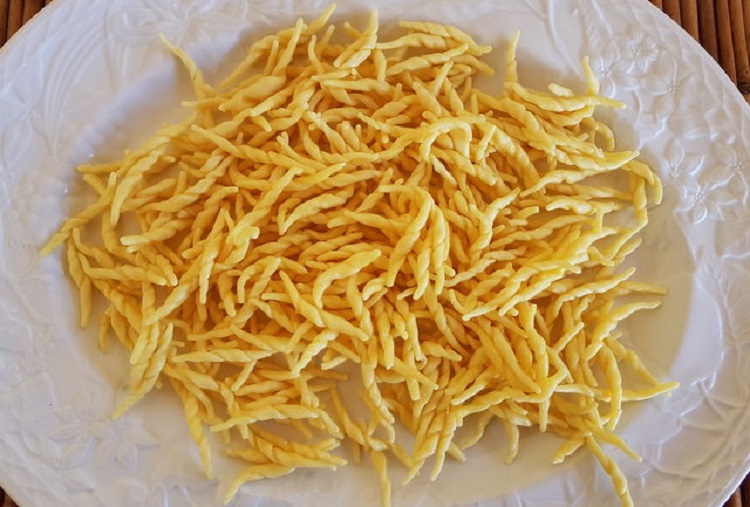
To test the method, a type of short, thin, twisted pasta called trophy pasta. One batch of fresh pasta was produced and packaged conventionally, while a second batch was produced in the same way but packaged in the experimental MAP. To the third batch of fresh pasta, the scientists also added the bioprotective probiotic strains, then packed it in the experimental packaging.
Science to help reduce food waste
The results of the research, which was carried out over a period of several months, revealed that the pasta treated with antimicrobial bioprotective probiotics from the experimental MAP had the longest shelf life of all three.
Speaking about the test results, Dr. Francesca De Leo, researcher at the Institute of Biomembrane, Bioenergetics and Molecular Biotechnologies within the CNR explains: "The results demonstrate that MAP together with probiotic cultures acted synergistically to control microbial spoilage of fresh pasta during refrigerated storage."
The experiment shows that with this method, fresh pasta could be kept for more than 30 days compared to conventional products. "For the consumer it is clearly an advantage, thus obtaining a product with an increased shelf life and easy to store." points out Dr. Leo.

"This may be particularly important given that, globally, consumers increasingly tend to reduce the frequency of their food purchases and consequently want an extended shelf life." At the same time, according to Dr. Leo, the benefits of this research do not stop there, as this discovery could help to "preventing food waste", but only under the conditions in which "companies are willing to take on the challenge and innovate", adopting the new technological solutions.
Article written by Gabriela Dan, Editor of Arta Albă
Read on White Art and: The value of the minimum consumption basket


[…] Article made by Gabriela Dan, Editor of Arta Alba […]